

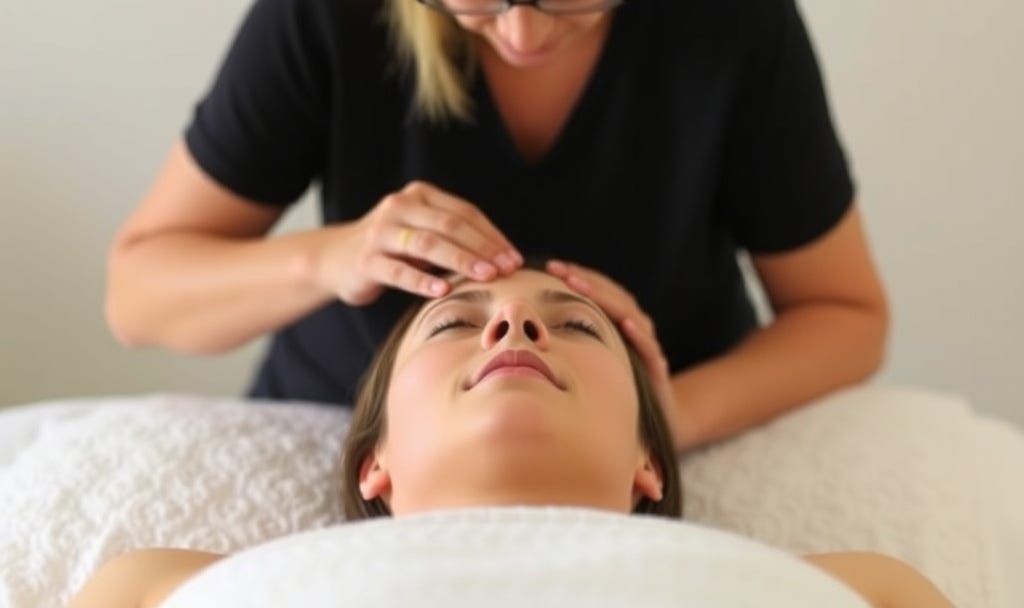
Craniosacral therapy is a subtle yet powerful manual therapy that addresses distortions in the structures of the spine, skull, sacrum, and associated connective tissue. Most often employed by physical therapists, chiropractors, and osteopaths, this therapeutic approach treats pain, stress, limitations of movement, and supports the body’s innate healing capacity.wikipedia+3
The Origins of a Revolutionary Approach
The foundations of craniosacral therapy trace back to the early 20th century and the visionary work of Dr. William Garner Sutherland (1873-1954), an osteopathic physician who challenged conventional medical thinking. While studying at the American School of Osteopathy in 1899, Sutherland became fascinated by the bones of the cranium, which he’d been taught were fused in adulthood. The structure of these bones seemed to suggest they were designed for movement, and over the next fifty years, he experimented with cranial bone motion and discovered that restrictions impacted not only physical health but mental and emotional well-being as well.craniosacraltherapy+1
In the 1970s, Dr. John E. Upledger refined Sutherland’s work into the accessible therapeutic approach we now know as Craniosacral Therapy. While assisting during spinal surgery, Upledger observed subtle pulsing in the membranes surrounding the spinal cord that conventional medical models couldn’t explain. This observation led him to develop and formalize techniques that would make this work available to a broader range of practitioners and patients.wearetulsi+1
Understanding the Craniosacral System
The body’s craniosacral system includes the membranes and cerebrospinal fluid that surround and protect the brain and spinal cord, extending from the cranium to the sacrum. Cerebrospinal fluid circulates through the brain and spinal cord at a rate of 6 to 12 cycles per minute, creating what practitioners call the craniosacral rhythm. This subtle rhythm can be felt through gentle touch—pressure equivalent to the weight of a nickel—and can guide the therapist to areas of restriction in the body.saunders-therapy+1
Restrictions in the membranes of this system can affect the central nervous system and other systems throughout the body. By releasing these restrictions, craniosacral therapy aims to improve cerebrospinal fluid circulation and restore balance to the entire system.
The Treatment Experience
Craniosacral therapy combines ancient healing arts with traditional cranial osteopathy, creating a deeply relaxing and transformative experience. During a session, you lie fully clothed on a massage table while the therapist uses extraordinarily light touch to assess and address restrictions in your craniosacral system. You may feel the warm, healing energy from the therapist’s hands as you let go of long-standing tension in your neck, shoulders, arms, torso, legs, feet, and the delicate areas of your face, cranium, and spine.
The gentle, non-invasive nature of this work induces a deep state of relaxation, facilitating the release of stress and tension held within the body. Many patients report entering a meditative state during treatment, allowing for both physical and emotional release.
Evidence-Based Benefits
While craniosacral therapy is often considered complementary medicine, a growing body of research supports its effectiveness for various conditions. A 2019 systematic review found that CST showed significant effects on pain intensity and disability compared to treatment as usual, with benefits persisting six months after treatment. Effects were particularly strong for patients with neck pain and lateral epicondylitis.pmc.ncbi.nlm.nih+1
Research has demonstrated craniosacral therapy’s benefits for:
Chronic pain relief and reduced disability
Fibromyalgia symptom reduction and improved quality of life
Headache and migraine relief
Improved mobility and range of motion
Enhanced relaxation and stress reduction
Support for emotional healing and trauma resolution
Promotion of overall health and vitality
A Bridge Between Ancient Wisdom and Modern Science
Craniosacral therapy represents a unique bridge between time-honored healing traditions and contemporary therapeutic practice. Its gentle approach honors the body’s inherent wisdom and self-healing capacity while providing measurable clinical outcomes. Whether you’re seeking relief from chronic pain, stress reduction, or support for your overall well-being, craniosacral therapy offers a pathway to deep healing that respects both the complexity and the simplicity of the human body.